The Impact Of Temperature Control In Decolorization Shakers On Microbial Fermentation
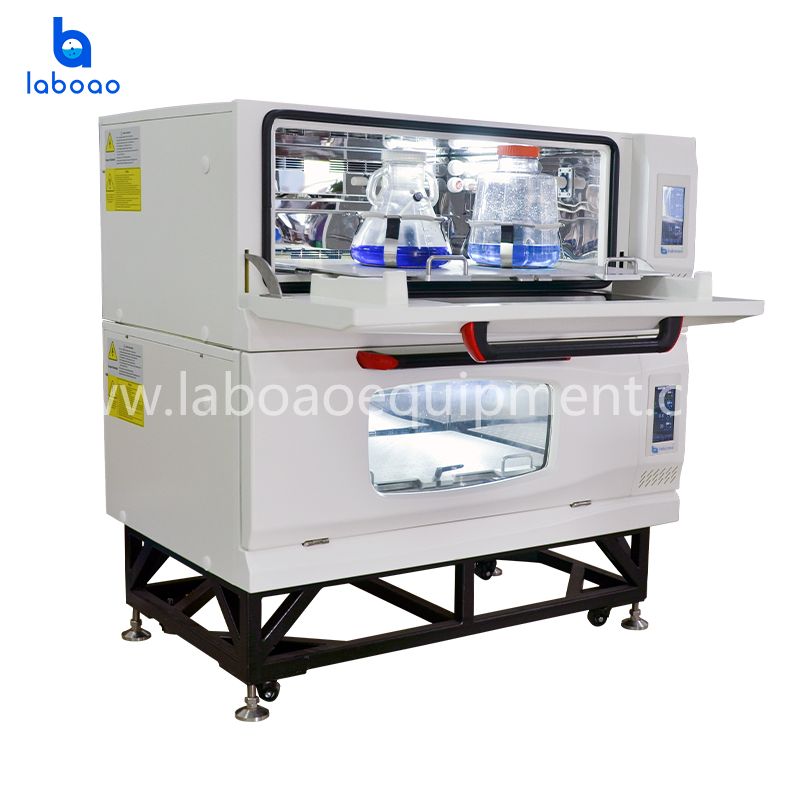
Microbial fermentation is the process of using microorganisms to convert raw materials into products required by humans via specific metabolic pathways under suitable conditions. The productivity of microbial fermentation depends largely on the genetic characteristics of the strain itself and the cultivation conditions. Generally, factors affecting microbial yield include carbon sources, pH, cultivation time, fermentation temperature, and shaker speed/amplitude. While factors like carbon sources and pH are determined by the culture medium, fermentation temperature and shaker speed/amplitude are controlled using a "decolorization shaker." The temperature maintained by the decolorization shaker affects fermentation in several ways:
1. Temperature has a significant impact on the number of spores and viable cells produced during fermentation. Microorganisms generally survive within a temperature range of 20°C to 35°C; temperatures that are too high or too low can cause inactivation or even death of the microorganisms. From the perspective of enzyme reaction kinetics, increasing the temperature accelerates reaction rates and metabolic growth, leading to earlier product formation. However, higher temperatures also accelerate enzyme inactivation and promote premature aging of the microbial cells, which can hinder product formation.
2. The temperature requirements for growth and for the accumulation of metabolic products can differ for the same microorganism. For instance, the optimal growth temperature for penicillin-producing strains is 30°C, whereas the optimal temperature for penicillin production itself is 25°C. This necessitates temperature adjustments based on the specific product desired and the setting of different temperatures at various stages of production.
3. Temperature also influences enzyme system composition and enzyme characteristics. For example, enzymes produced at 55°C retain 88%–99% of their activity after being held at 90°C for 60 minutes; in contrast, enzymes produced at 35°C retain only 6%–10% of their activity under the same conditions.
4. Different temperatures also have varying effects on the metabolic products generated by the microorganisms. For instance, in the fermentation of tetracycline using *Streptomyces aureofaciens* NRRL B-1287, setting the temperature below 30°C leads to increased synthesis of chlortetracycline, whereas raising the temperature favors tetracycline synthesis. At 35°C, the strain produces only tetracycline, with chlortetracycline synthesis virtually ceasing.
5. Temperature also affects the physical properties of the fermentation broth, such as viscosity, the solubility and mass transfer rates of substrates and oxygen within the broth, and the rates of substrate decomposition and uptake. By influencing these factors, the fermentation temperature impacts fermentation kinetics and product biosynthesis.
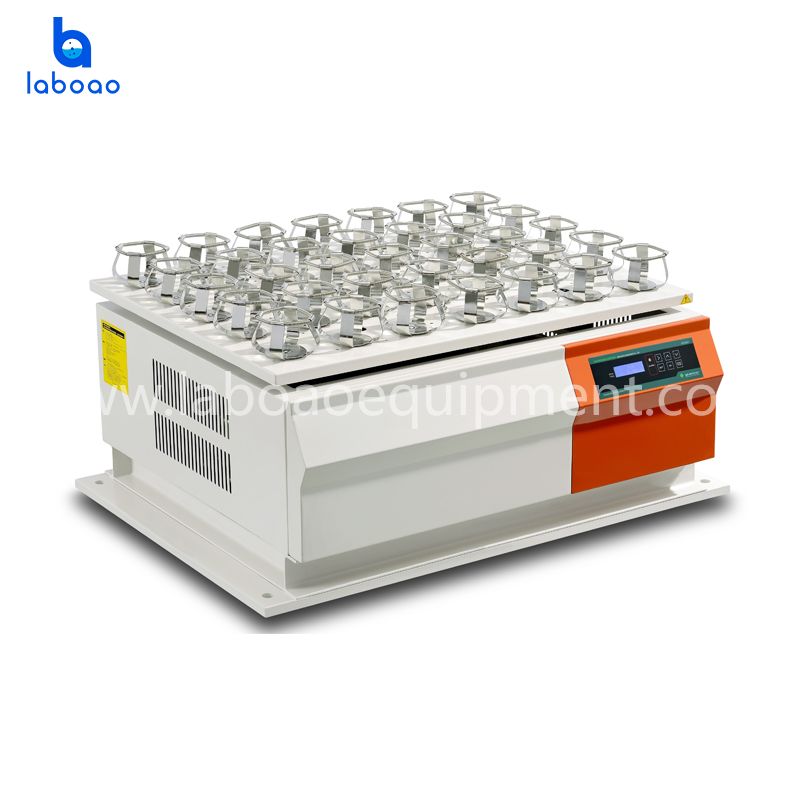
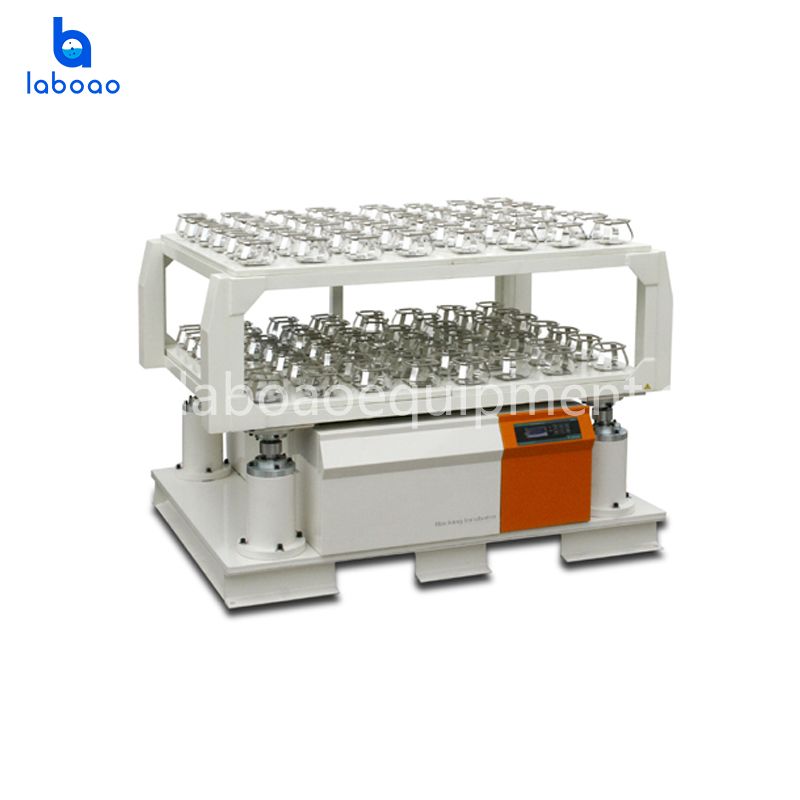
Therefore, maintaining an appropriate temperature during fermentation is essential for ensuring smooth microbial growth and the synthesis of metabolites. Consequently, precise temperature control is a key parameter to consider when selecting a decolorization shaker.


-analyzer-1695623743955.jpg)