Experimental Principles Of Light-Controlled Incubators
This article introduces the working principles of light-controlled incubators and explores their applications and advantages in experimental settings, helping researchers better understand their role in practical operations.
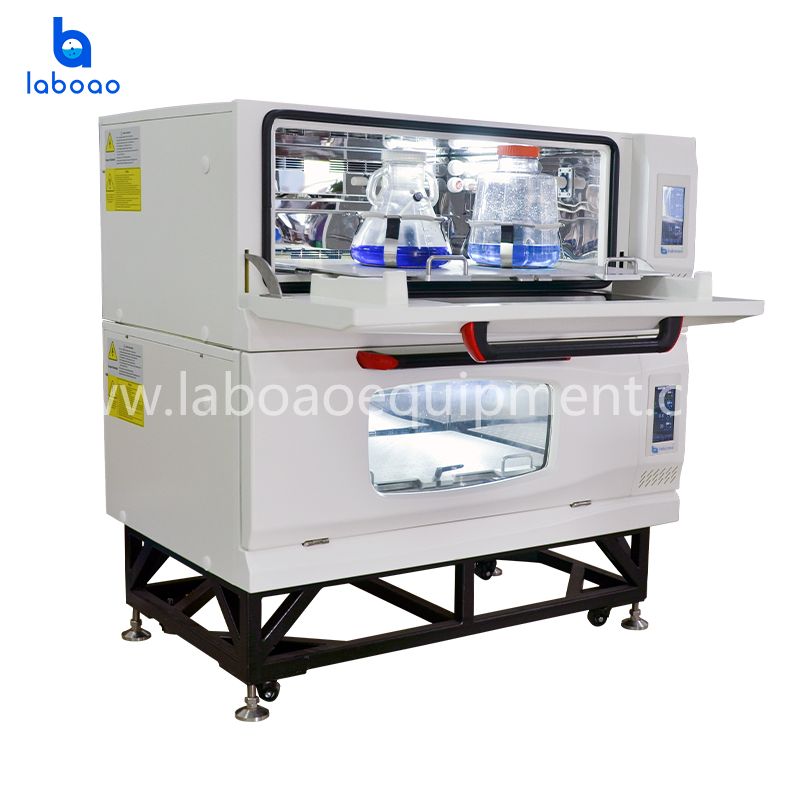
The principles of light-controlled incubators rely primarily on two core factors: lighting and the control of temperature and humidity. These incubators are equipped with internal light source systems capable of simulating the natural alternation of day and night. Regarding lighting settings, the intensity, photoperiod, and wavelength of the light source can be adjusted. This allows the incubator to provide the specific lighting conditions required for processes such as plant growth and cell development, facilitating the smooth progress of experiments. The temperature and humidity control system also plays a crucial role; by precisely regulating these parameters, the incubator can simulate the growth environments of various organisms, ensuring the validity of the experiments.
The working principle begins with the generation of adjustable light intensity via the incubator's lighting fixtures. Typically, the light source consists of specialized fluorescent or LED lamps designed to emit spectra that meet biological growth requirements. For instance, since the light spectra required for plant photosynthesis are concentrated in the blue and red regions, the lamps in these incubators usually output light at these wavelengths. These light sources switch on and off according to preset cycles, simulating the day-night alternation to satisfy the photoperiodic needs of plants and other organisms.
Additionally, the incubator's temperature and humidity control system utilizes precision sensors and regulation mechanisms to maintain a stable internal environment. Temperature can be adjusted according to experimental needs—typically ranging from 10°C to 45°C—while humidity is regulated through a combination of humidifiers and dehumidifiers, usually maintained between 30% and 95%. These parameters significantly impact experimental subjects; processes such as plant photosynthesis and cell growth and division, for example, require specific temperature and humidity conditions to proceed effectively. Illuminated incubators not only provide ideal conditions for experiments but also offer significant value in modern laboratories thanks to their efficient control systems and energy-saving designs. Continuous technological advancements have led to innovations in control precision and intelligent management, further enhancing the convenience and accuracy of experimental procedures.
As a multifunctional piece of laboratory equipment integrating light, temperature, and humidity control, it operates by precisely regulating environmental factors to create optimal conditions for biological growth. Its use has not only improved experimental reproducibility and reliability but has also advanced research across various fields, such as biology and botany. Looking ahead, illuminated incubators are poised to incorporate even greater intelligence and precision control, thereby providing superior conditions for scientific experimentation.

-analyzer-1695623743955.jpg)