
New Energy & Battery Materials
"Energy Regulation" in the Microscopic Realm
Addressing the stringent requirements for impurity control and temperature profiling in the R&D of battery materials (such as lithium-ion and sodium-ion batteries), we provide an integrated suite of equipment—ranging from precursor synthesis and slurry homogenization to high-temperature atmospheric sintering—to support the comprehensive development of material physical and chemical properties.
Key Logic
Precursor Synthesis → Slurry Dispersion → Material Calcination → Electrode Inspection → Structural Analysis.
Advantage
In response to the new energy industry's specific demand for "zero metal contamination," we offer customized ceramic or Teflon coating services to safeguard the purity of the materials' electrochemical performance.
Process Flow
-
01Material SynthesisKey EquipmentGlass / Stainless Steel ReactorsDescriptionCo-precipitation or hydrothermal synthesis of precursors for cathode and anode materials.
-
02Slurry PreparationKey EquipmentUltrasonic Dispersers / MixersDescriptionEnhancing the dispersion uniformity of conductive agents and active materials, while eliminating slurry agglomeration.
-
03Thermal ProcessingKey EquipmentVacuum Atmospheric Tube Furnaces / Muffle FurnacesDescriptionCarbonization, sintering, and doping modification of materials under inert gas protection.
-
04Non-destructive TestingKey EquipmentUltrasonic Flaw Detectors / Thickness GaugesDescriptionIn-line or off-line inspection of battery electrode coating thickness and internal defects (cracks/voids).
-
05Composition AnalysisKey EquipmentX-ray Fluorescence Spectrometers (XRF)DescriptionQuantitative analysis of elemental composition and harmful impurities (e.g., Fe, Cu) within battery materials.
-
06Structural CharacterizationKey EquipmentRaman Spectrometers / Infrared Spectrometers (FTIR)DescriptionAnalysis of electrode material graphitization levels, surface coating layers, and electrolyte composition.
Customers Cases
-
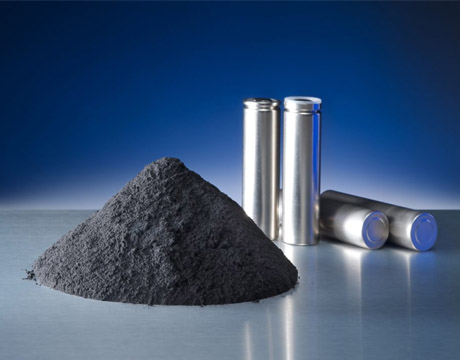
Battery Cathode Material (Precursor NMC) Reaction Synthesis System
ApplicationPrecisely synthesize battery precursor precipitates (such as ternary materials) using a glass reactor (or stainless steel reactor) with controlled temperature and stirring.Key EquipmentGlass reactor + Pure water system + Ultrasonic disperser -
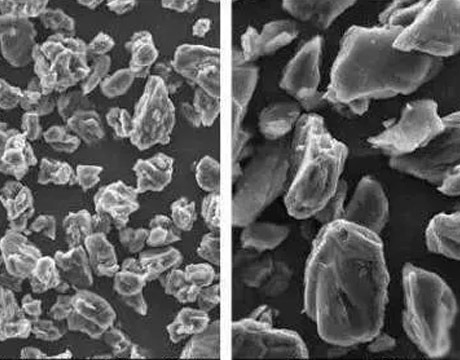
Positive and Negative Electrode Material Sintering Modification System
ApplicationHigh-temperature calcination, sintering, and modification of positive and negative electrode materials under a protective gas atmosphere (e.g., argon, nitrogen).Key EquipmentVacuum atmosphere tube furnace + Vacuum atmosphere muffle furnace + Gas scrubber -
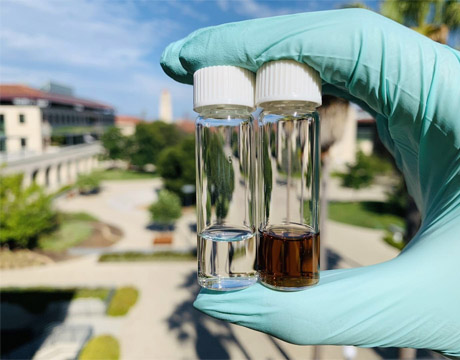
Electrolyte Preparation Simulation System
ApplicationFor the preparation of extremely dry, water-free electrolytes, the drying oven or rotary evaporator is placed in an anhydrous operating environment (as shown in the glove box environment in the figure).Key EquipmentRotary evaporator + Low-temperature freezer + Fume hood -
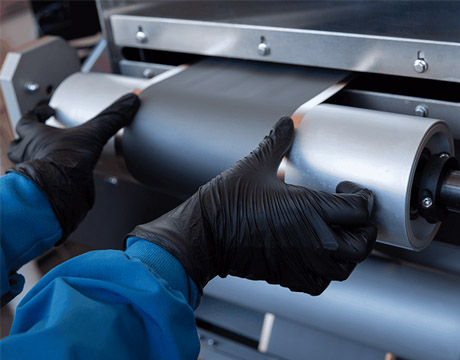
Electrode Sheet Thickness and Morphology Non-destructive Testing System
ApplicationRapidly detect the thickness and internal defects of electrode coatings using an ultrasonic flaw detector and ultrasonic thickness gauge.Key EquipmentUltrasonic flaw detector + Ultrasonic thickness gauge